Wildlands Conservation Awarded $10 Million from USDA for land protection in Central Florida
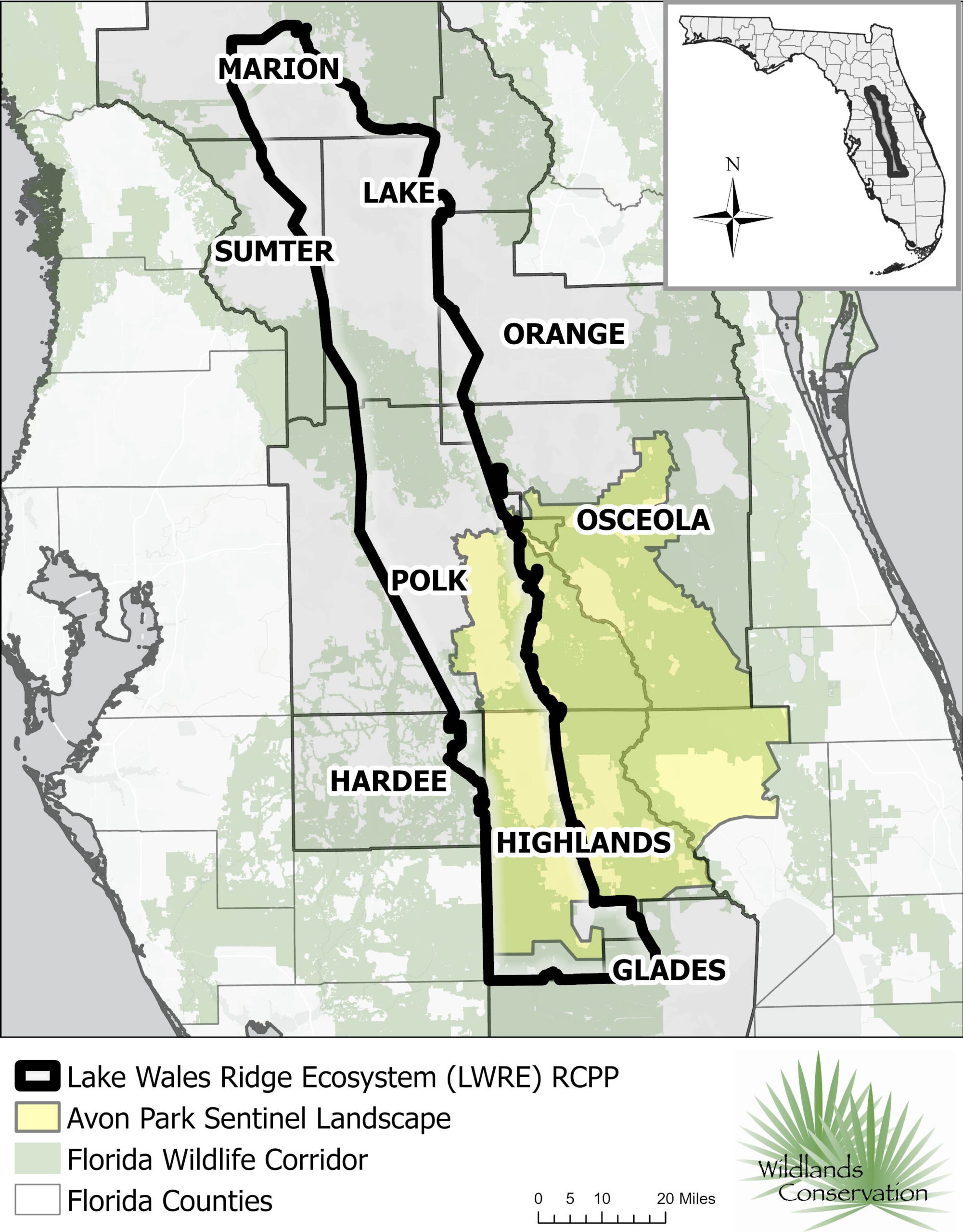
Wildlands Conservation received a $10 million award from the U.S. Department of Agriculture’s Natural Resources Conservation Service (USDA-NRCS) through the Regional Conservation Partnership Program (RCPP) for a five-year Lake Wales Ridge Ecosystem RCPP project scheduled to begin in early 2027. The project area spans parts of nine Central Florida counties, including Marion, Lake, Polk, and Highlands.
The $10 million award will match a similar amount from county and state land protection programs. Collectively, there will be over $20 million in funding and resources dedicated by the Lake Wales Ridge Ecosystem (LWRE) RCPP partnership, which will expand protection of natural and working lands in Central Florida. The LWRE RCPP funding leverages land protection through the Polk County Environmental Lands program and the Florida Department of Agriculture and Consumer Services (FDACS) Rural and Family Lands Protection Program. By combining federal funding with state and county resources, the partnership aims to permanently protect about 3,500 acres while providing landowners with alternatives to selling their lands for development.
Conservation easements are voluntary legal agreements that permanently limit development while keeping land in private ownership. Depending on the terms of each agreement, landowners can continue compatible farming, ranching, forestry, and other uses while protecting the conservation values of their property.
“We are excited to bring new Federal resources for land protection in the Lake Wales Ridge region,” said David Sumpter, Wildlands Conservation Executive Director. “This RCPP partnership brings more opportunities to landowners to protect their farms, ranches, and natural lands. Our goal is to sustain the region’s agricultural heritage while protecting its wildlife habitat and water resources.”
The Lake Wales Ridge is an ancient dune system that supports citrus groves, ranchlands, forests, critical water recharge areas, and globally significant wildlife habitat. Citrus greening and increasing development pressure threaten both the region’s agricultural economy and its natural lands. The RCPP project will help protect rural and agricultural lands that contribute to the Florida Wildlife Corridor, sustaining connections among important conservation areas. In addition, the RCPP project area overlaps part of the Avon Park Air Force Range Sentinel Landscape, and the LWRE RCPP complements the goal of limiting development that may be incompatible with military training.
Led by Wildlands Conservation, the partnership includes Polk County through its Environmental Lands Program, FDACS through its Rural and Family Lands Protection Program, the U.S. Fish and Wildlife Service, Archbold Research Station, and Putnam Land Conservancy. The RCPP partners will work with NRCS to connect landowners to conservation easement programs, provide assistance for land management, and quantify environmental outcomes. Together, the partnership creates opportunities to combine permanent land protection with ongoing stewardship.
“The LWRE RCPP partnership brings together the funding, expertise, and local relationships needed to help landowners achieve lasting conservation,” said Juan Hernandez, NRCS State Conservationist for Florida. “By expanding conservation easement opportunities in the Lake Wales Ridge area, we can help keep working lands in agriculture in one of the fastest developing regions of Florida.”
Landowners interested in learning about conservation opportunities, and members of the media seeking additional information, may contact Wildlands Conservation at (813) 252-6517 or info@wildlandsconservation.org.
About RCPP
The RCPP is a USDA-NRCS program that brings partners together to address regional conservation needs. The Lake Wales Ridge Ecosystem partnership will use this support to expand conservation easement opportunities and provide technical assistance to private landowners. For more than 90 years, NRCS has helped farmers, ranchers and forestland owners make investments in their operations and local communities to improve the quality of our air, water, soil, and wildlife habitat. NRCS uses the latest science and technology to help keep working lands working, boost agricultural economies, and increase the competitiveness of American agriculture. NRCS provides one-on-one, personalized advice and financial assistance and works with producers to help them reach their goals through voluntary, incentive-based conservation programs. For more information, visit nrcs.usda.gov. USDA is an equal opportunity provider, employer, and lender.
Protect the Gopher Tortoise License Plate
Protect the Gopher Tortoise license plates are now available at tax collectors’ offices statewide. In order to bring awareness to the plight of the gopher tortoise, we have created this specialty license plate and will use the generated funds for gopher tortoise habitat conservation, habitat management, education, and research. With your help, we can help protect gopher tortoises and their upland habitat.
Specialty license plates have been an essential part of the conservation strategy for other Florida species including the manatee, Florida panther, and sea turtles, and we wish to add the gopher tortoise to this list. The gopher tortoise is a threatened species in the state of Florida, primarily due to loss of upland habitat. A keystone species, gopher tortoises dig burrows that are used by more than 360 other animal species, including some that live nowhere else.
Inspired by wildlife rehabber Chelsey Vowles, the idea for the plate formed after she witnessed countless gopher tortoises being killed and injured while trying to cross the road. Chelsey’s passion for healing and helping tortoises was the spark necessary to get the license plate started.
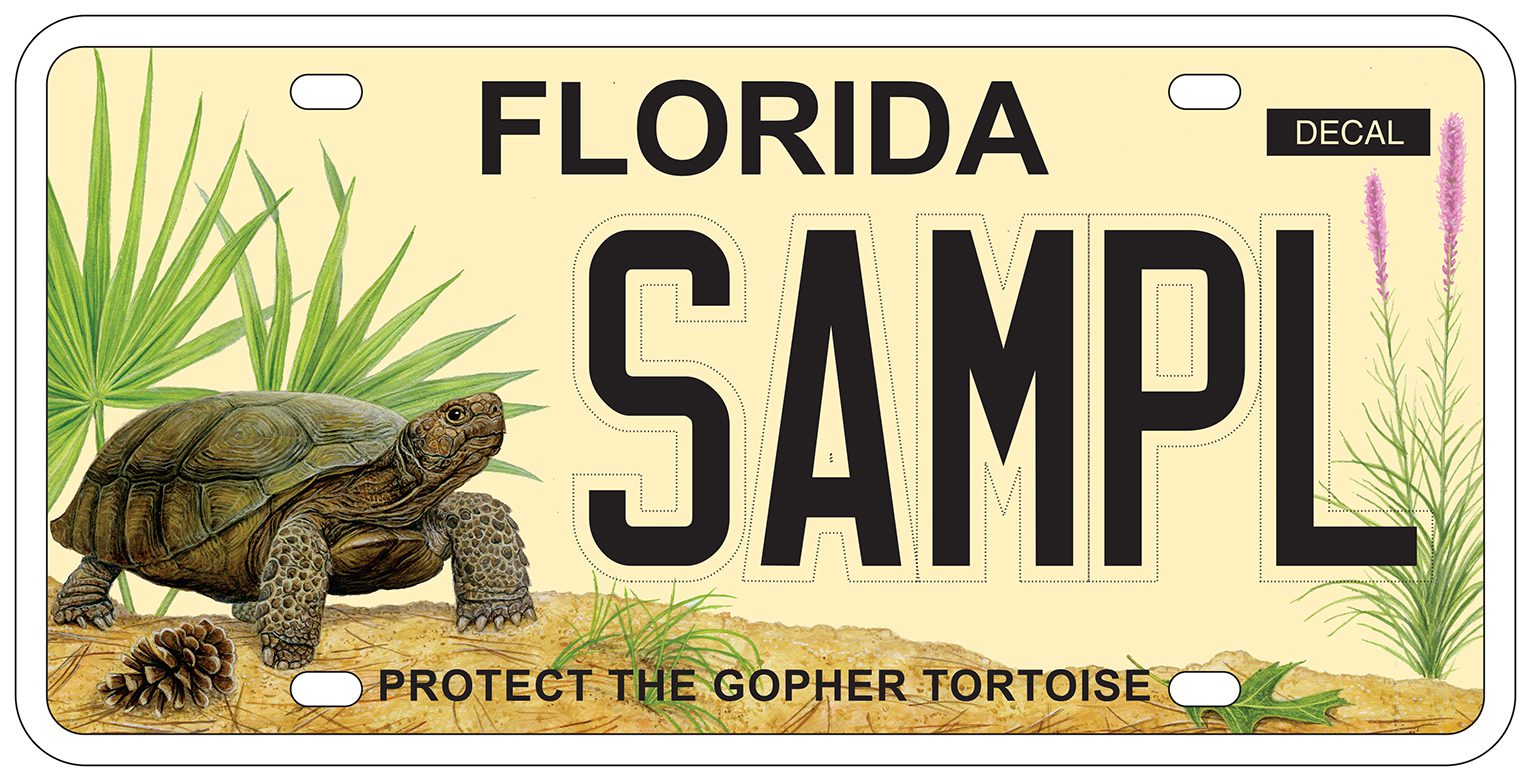
Wildlands is working with talented conservation illustrator Matt Patterson to create a gopher tortoise license plate design. The Gopher Tortoise Council and Conservation Florida have also provided letters of support for this plate.
Central Florida Skink Research
 With funding from the U.S. Fish and Wildlife Service, Wildlands is conducting surveys to establish the presence, distribution, and populations size of Florida sand skinks and bluetail mole skinks on conservation lands of the Lake Wales Ridge, Winter Haven Ridge, and Mt. Dora Ridge in central Florida.
Conservation Banking
 Wildlands partners with private landowners and regulatory agencies to identify lands that are appropriate for conservation banks. Our staff are experts at preparing bank permit applications and work to provide creative and innovative conservation strategies for each property that benefit both the landowner and protected species. Through restoration, land management, conservation easements, and research, Wildlands preserves Florida’s habitats and wildlife.